Pearland Mortgage Broker: MUD Districts and Home Loans
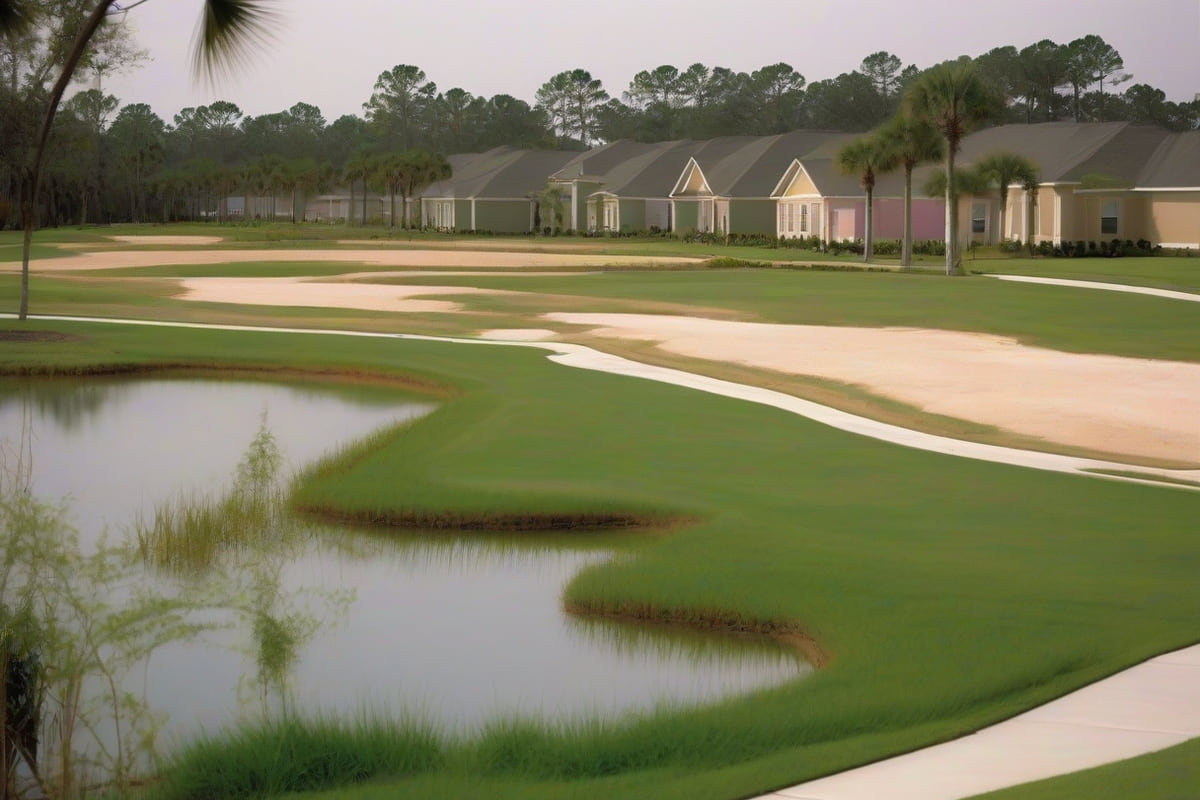
Almost all of Pearland's growth since the 1990s was built inside a Municipal Utility District, and the MUD rate is frequently the largest single variable in what a Pearland home actually costs to own.
Most buyers learn that MUDs exist and stop there. The part that matters — and that almost nobody explains — is that a MUD rate is not a fixed feature of an address. It changes over the life of the district, and it usually changes downward.
Understanding that curve is the difference between reading a tax bill as a permanent condition and reading it as a point on a schedule.
What a MUD is, and why the rate moves
A Municipal Utility District is a political subdivision created to finance water, sewer and drainage infrastructure for development outside existing municipal utility service. It issues bonds to build that infrastructure, then levies a property tax to repay them.
The rate has two components: debt service, which repays the bonds, and operations and maintenance, which runs the system.
Debt service is the part that moves, and it moves for two reasons:
The tax base grows. A new district might have a handful of completed homes carrying the whole bond obligation. As the district builds out, the same debt is spread across far more taxable value, and the rate required to service it falls.
The debt amortizes. Bonds are repaid over time, and districts frequently refinance when rates allow.
The practical shape of this: a brand-new district often carries a high rate, and a built-out district that has been paying down bonds for twenty years may carry a very low one — sometimes a small fraction of what it charged at the beginning. Some mature districts eventually dissolve into the city entirely.
What that means when you are buying
A high MUD rate on a new-development home is not necessarily permanent. It is also not guaranteed to fall on any particular schedule — that depends on build-out pace and whether the district issues more debt as it expands.
A low MUD rate on an established home is a real, durable advantage, and it is one of the strongest arguments for buying resale in an older Pearland subdivision rather than new construction.
Ask for the district's actual numbers. A MUD must provide statutory notice to buyers, and districts publish their rate history and outstanding debt. Two questions are worth asking directly: what is the current outstanding bond debt, and does the district anticipate issuing more?
A district still expanding can issue new bonds, which can hold the rate up longer than the amortization curve alone would suggest.
For your loan, only today's rate matters. Your escrow and your qualifying ratio are calculated on the current combined rate. A future decline does not help you qualify now — but it very much affects what the house costs you over ten years, and it belongs in your comparison between a new build and a resale.

Three counties, two school districts
Pearland spans Brazoria County primarily, with portions in Harris County and Fort Bend County, and its addresses feed Pearland ISD or Alvin ISD.
Combined rates across the city generally run in the 2.4% to 3.2% range once a MUD assessment is included — a wide band, and the spread is almost entirely explained by which district and which school district the parcel sits in.
Alvin ISD serves a substantial share of Pearland, including much of the Shadow Creek Ranch area, despite Alvin being a separate city to the south. A Pearland address tells you nothing about the school district.
Verify the parcel with the Brazoria County Appraisal District, or Harris County Appraisal District or Fort Bend CAD where applicable. A sale resets the appraised value and the seller's exemptions end at closing. File your homestead exemption the year you buy.
Flood, and why it is a separate question from drainage
Pearland is flat coastal prairie drained by Clear Creek and Mary's Creek, and parts of the city have flooded in major rain events.
The MUD built the drainage. That does not remove a property from a mapped flood hazard area, and the two things are frequently conflated. Where a property sits in a Special Flood Hazard Area, flood insurance is federally required, escrowed, and counts in your qualifying ratio.
The general flood mechanics are set out on our Houston page, and the formal process for challenging a determination — which matters here, because engineered fill is common in this development pattern — is on our Lewisville page.
Get the flood determination and a real insurance quote during your option period. Between a MUD assessment and a flood premium, the gap between a listing's advertised payment and your actual payment can be substantial in this city.
New construction, briefly
A large share of Pearland transactions are new builds, which brings builder incentives, preferred-lender credits and the rate lock problem that comes with a long build timeline.
We cover that in detail on our Frisco page — the mechanics are identical anywhere in Texas. The Pearland-specific overlay is simply that the district assessment deserves to be in your comparison from the start, because two builders in two different districts can quote similar prices with materially different carrying costs.
Where people buy
Shadow Creek Ranch on the west side is the largest master-planned community in the city, largely Alvin ISD, and district assessments vary across its sections.
Silverlake is an established 1990s and 2000s master-planned community with a more mature district position.
Old Townsite along Broadway holds the original settlement and the oldest stock in the city, generally outside MUD territory.
Southdown and Green Tee carry established development on the eastern side.
The SH-288 corridor north toward the Medical Center is the most convenient commute and the most actively developing.
Manvel and Iowa Colony to the south are the current growth front, with the newest districts and typically the highest current assessments.
The city
Pearland was established in 1894 along the Gulf, Colorado and Santa Fe Railway, and got its name when a settler noticed pear trees growing on the townsite.
The 1900 Galveston hurricane destroyed the original fruit orchards the town was named for, and the community rebuilt around truck farming and later became a commuter suburb as Houston expanded south.
Pearland was for several years among the fastest-growing cities in the United States, going from roughly 19,000 people in 1990 to well over 125,000.
The Pearland Town Center is an open-air mixed-use development on SH-288, and Independence Park and the Shadow Creek Ranch Nature Trail carry most of the local outdoor use.
Delores Fenwick Nature Center interprets the coastal prairie ecology the area was built on, and the Texas Medical Center, roughly 20 minutes north, is the single largest driver of the city's professional population.
Not sure which fits? Compare every loan program we place.
Frequently asked questions
What is a MUD tax in Pearland? A Municipal Utility District levy that repays bonds issued to build water, sewer and drainage infrastructure, plus the cost of operating the system. It is charged on top of city, county and school taxes and escrowed with them.
Does the MUD rate ever go down? Usually, over time. As the district builds out, the same bond debt is spread across a larger tax base, and the bonds amortize. Mature districts often carry a small fraction of their original rate. A district still expanding can issue new bonds, which slows that decline.
Should I buy in an older subdivision to get a lower MUD rate? It is a genuine advantage worth weighing. An established district with a low rate is a durable saving, and it is one of the strongest financial arguments for resale over new construction in Pearland.
Does the MUD rate affect how much I can borrow? Yes. It is escrowed with your taxes, so it raises your monthly payment and consumes qualifying ratio. Only the current rate counts — a future decline does not help you qualify today.
Is all of Pearland in Pearland ISD? No. Alvin ISD serves a substantial share of the city, including much of Shadow Creek Ranch. A Pearland mailing address tells you nothing about the school district, and the district is the largest line on your bill.
Does a MUD's drainage system mean I do not need flood insurance? No. Drainage infrastructure and FEMA flood zone mapping are separate things. If the property is in a Special Flood Hazard Area, flood insurance is federally required regardless of how well the district drains.
What are property taxes in Pearland, TX? Combined rates generally run about 2.4% to 3.2% including a MUD assessment, with the spread driven by which district and school district the parcel is in. Verify with the Brazoria County Appraisal District, or Harris or Fort Bend CAD where applicable.
Ask us for the district history, not just the rate
On a Pearland purchase the most useful number is not this year's MUD rate. It is the district's outstanding debt and whether it plans to issue more.
Send us the address and we will pull the district information alongside the tax parcel, so you are comparing carrying costs rather than list prices.
Start your application · Run the numbers · Call 737-347-1314
Looking at a property in Pearland?
Send us the address and we will model the real payment — taxes, insurance and HOA included — before you write an offer.
Talk To A Loan OfficerNearby Areas
Nearby & Related