Hyde Park Mortgage Broker: Historic Homes and Rentals Near Campus
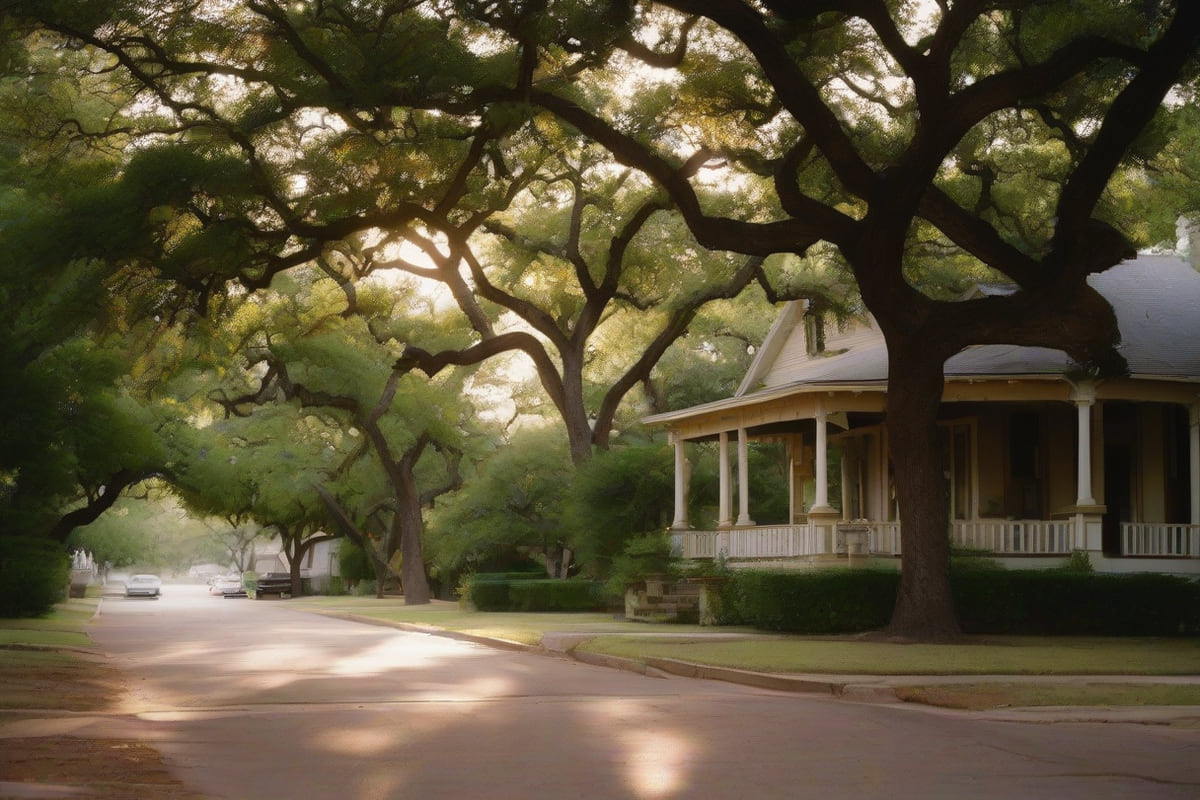
Hyde Park homes generally trade between $600,000 and $1 million, in one of Austin's oldest planned neighborhoods: a historic district north of the University of Texas with Victorian, Craftsman and early twentieth-century homes on tree-lined streets.
Two kinds of buyers dominate here. Owner-occupants buying a historic house need to understand what the district's rules and an older structure mean for the loan and the insurance. Investors buying rental property near campus need financing that qualifies on the property's income. This page covers both.
Buying or refinancing in Hyde Park? We shop your file across a panel of wholesale lenders.
Buying a house in a historic district
Much of Hyde Park falls within a local historic district, and parts of the surrounding area are covered by a neighborhood conservation district. Both set design standards for what the street sees.
Exterior changes are reviewed. Additions, demolitions, new windows, porches and siding on a contributing home generally need approval from the city's historic preservation staff or the Historic Landmark Commission before a permit is issued.
Interiors are generally not regulated. Kitchens, bathrooms, systems and layouts can be remodeled like any other house.
Demolition is difficult. A contributing structure in a historic district is hard to remove, which protects the neighborhood's character and removes the teardown option that drives prices elsewhere in central Austin.
For the loan, the district is not a problem. Lenders finance historic homes routinely. What matters is that your renovation plans are realistic within the rules, and that your budget reflects the extra review time.
Tax benefits are narrower than people assume
Individually designated city historic landmarks can qualify for a partial property tax exemption. A home that simply sits inside a historic district, without its own landmark designation, generally does not receive that exemption automatically. Ask the city's historic preservation office before counting on a tax benefit.
Older homes and insurance
Hyde Park's houses date largely from the 1890s through the 1930s, and insurance is where their age shows up first.
Wiring. Knob-and-tube wiring, still present in some older homes, is declined or surcharged by many carriers. An electrician's report during the option period tells you what you are dealing with.
Roofs and plumbing. Carriers look at roof age and material, and at older galvanized or cast iron plumbing.
Replacement cost. Rebuilding original millwork, windows and porches costs more than standard construction. Make sure the policy's dwelling coverage reflects that.
Get a binding insurance quote before your option period ends. The premium goes into your payment, and a declined application late in the process delays the closing.
Rental property near the university
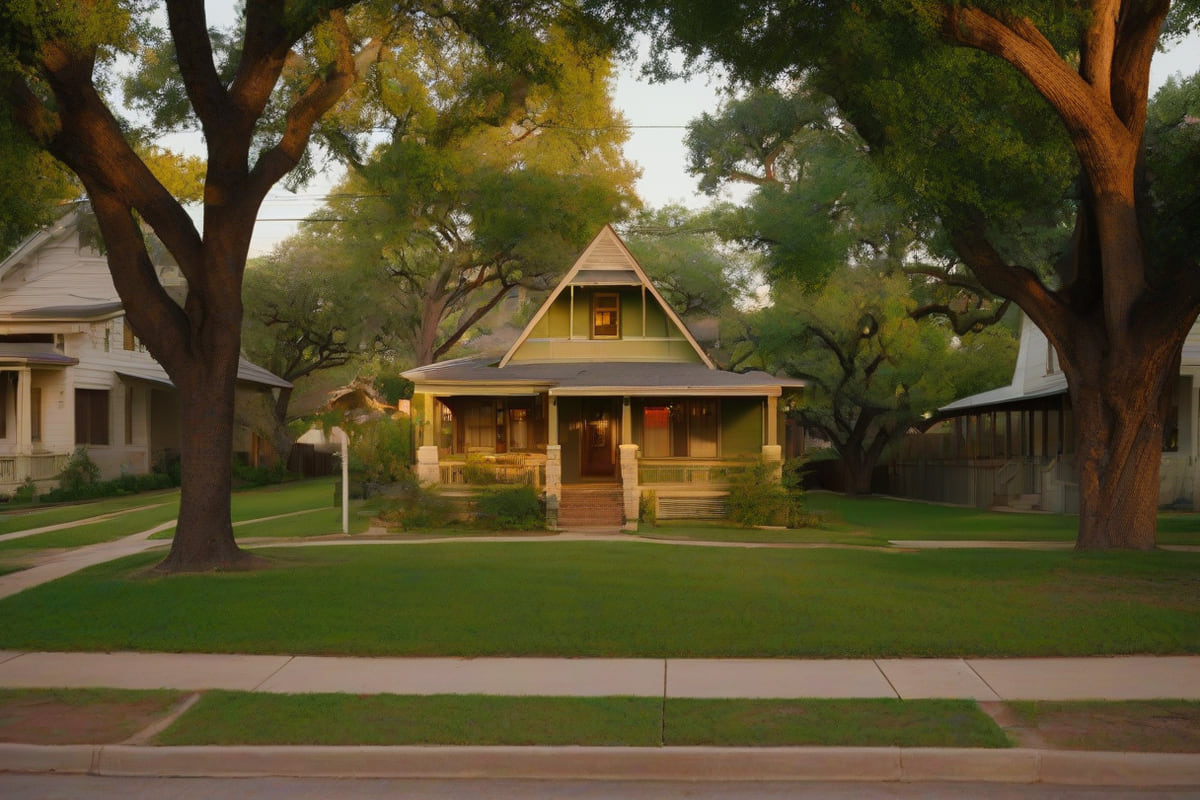
Hyde Park's proximity to campus supports a steady rental market in houses, garage apartments, duplexes and small multifamily buildings.
A DSCR loan qualifies the property, not your income. The lender compares the property's rent to its full payment — principal, interest, taxes, insurance and dues — and does not ask for your tax returns. For investors with complex income or several properties, it is often the simplest path.
Two-to-four-unit properties can be financed conventionally as investments, or with owner-occupant terms if you live in one unit. Owner-occupancy brings lower down payments and lets part of the other units' rent count toward qualifying.
Rental rules still apply. Occupancy limits, short-term rental restrictions and the historic district's design rules all affect what a property can earn and what you can change.
Check the rent roll against leases. Rents for properties near campus often turn over on an academic calendar, and a lender will want leases or a market rent analysis rather than the listing's projection.
Taxes in Hyde Park
Hyde Park is inside the City of Austin. A typical address carries the City of Austin, Travis County, Austin ISD, Austin Community College and Central Health rates — generally around 1.8% to 2.1% of assessed value combined.
Rental properties are not homesteads. Investment property is assessed without the homestead exemption or its 10% annual cap on increases.
Verify the parcel with the Travis Central Appraisal District.
Where people buy
The historic core around Shipe Park and Avenue B holds the densest concentration of original Victorian and Craftsman homes.
Along Speedway and Duval Street, the neighborhood's main north-south streets, the housing mixes single-family homes with duplexes and small apartment buildings.
North Hyde Park, toward 45th Street and beyond, carries more bungalows and slightly larger lots.
The southern edge near 38th Street sits closest to campus and has the heaviest rental inventory.
Nearby Mueller offers newer construction at similar prices, and Allandale to the northwest has flat lots and post-war homes.
The neighborhood
Hyde Park was founded in 1891 by developer Monroe Shipe as one of Austin's first streetcar suburbs, and many of its early homes survive. The neighborhood is roughly bounded by 38th Street to the south and Guadalupe Street to the west, a short trip north of the University of Texas campus.
The Elisabet Ney Museum, in the studio the sculptor built in the 1890s, is among the oldest museums in Texas. Shipe Park has a neighborhood pool, and Avenue B Grocery has been selling groceries from the same corner for more than a century.
Not sure which fits? Compare every loan program we place.
Frequently asked questions
Is it harder to get a mortgage on a historic home? No. Lenders finance historic homes routinely. The historic district affects exterior renovation plans, and an older home's systems can affect insurance, but neither prevents financing.
Can I renovate a house in the Hyde Park historic district? Yes. Interiors can generally be remodeled freely. Exterior changes, additions and demolitions on contributing homes need approval from the city's historic preservation staff or the Historic Landmark Commission.
Do historic district homes get a property tax break? Individually designated city historic landmarks can qualify for a partial exemption. A home that is simply within a historic district generally does not qualify automatically.
What is a DSCR loan? An investment property loan that qualifies on the property's rental income compared with its full payment, without using your personal income or tax returns.
Can I buy a duplex in Hyde Park and live in one side? Yes. Owner-occupancy of a two-to-four-unit property allows lower down payments and lets part of the other units' rent count toward qualifying.
What are property taxes in Hyde Park? A typical City of Austin address in Austin ISD carries a combined rate around 1.8% to 2.1% of assessed value. Rental properties are assessed without the homestead exemption.
Tell us whether you are living in it or renting it
In Hyde Park, the right loan depends on whether the house is your home or an investment. Send us the address and your plan, and we will lay out the options for each.
Start your application · Run the numbers · Call 737-347-1314
Looking at a property in Hyde Park?
Send us the address and we will model the real payment — taxes, insurance and HOA included — before you write an offer.
Nearby Areas
Nearby & Related