Barton Hills Mortgage Broker: Renovation Loans for 1960s Ranch Homes
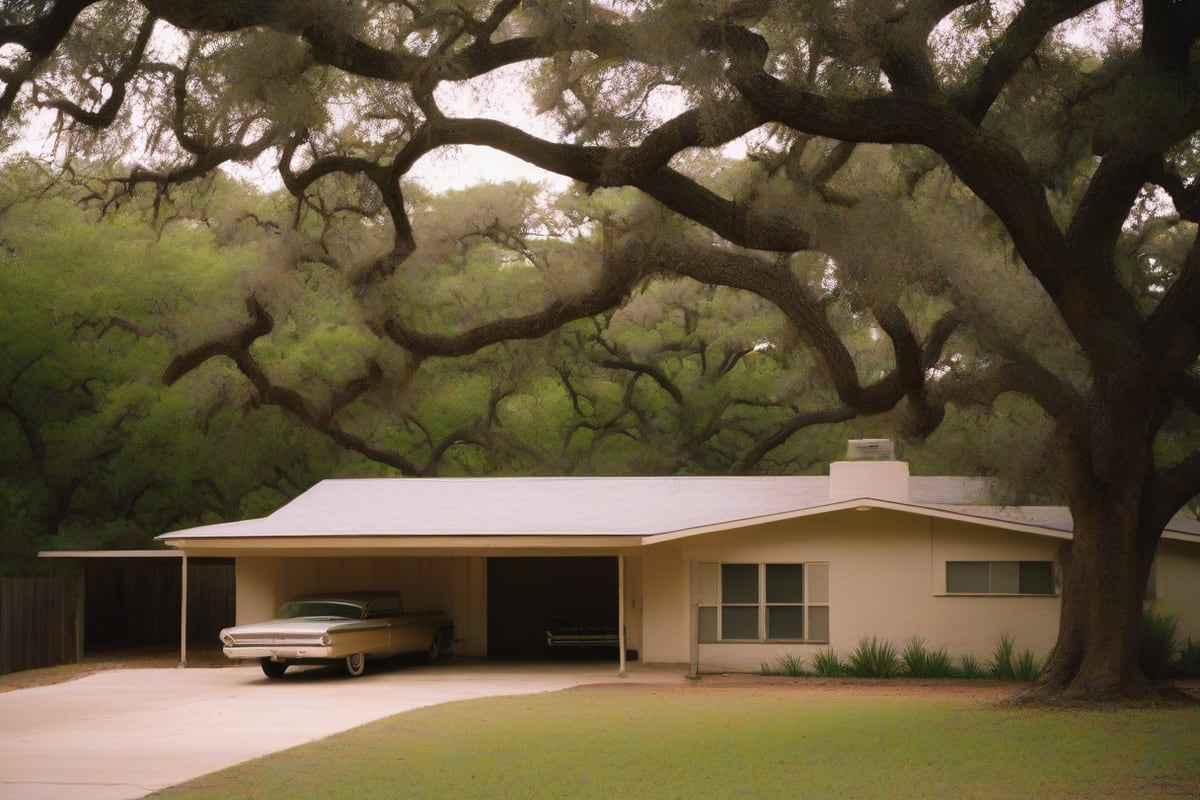
Barton Hills homes generally trade above $1 million, and a large share of them are 1960s ranch houses that have never been fully updated — sold on the strength of wooded lots above the Barton Creek Greenbelt rather than on the kitchen.
That creates a specific financing problem. The buyer who wants to remodel pays a price that assumes the remodel, then has to find the remodel money separately — usually after draining savings for the down payment.
A renovation loan solves it by financing the purchase and the work together, sized on what the house will be worth when the work is done.
Buying or refinancing in Barton Hills? We shop your file across a panel of wholesale lenders.
How a renovation loan works
A renovation mortgage is a single loan with two parts: the purchase and a renovation budget held back at closing.
The appraisal is "as-completed." The appraiser values the home as if your planned work were finished, using your contractor's plans and bid. The loan is sized on that future value, not the current one.
The renovation funds sit in escrow. They are released in draws as work is completed and inspected, paid to the contractor rather than to you.
You pay one closing, one set of costs, and one payment. No second loan, and no construction loan interest stacked on top of a mortgage.
Which programs fit Barton Hills prices
Conventional renovation loans are the workhorse, but they are capped at the conforming limit of $832,750 for a single-family home. With a meaningful down payment, many Barton Hills purchases fit under it.
FHA renovation loans carry a lower loan limit that most Barton Hills purchases exceed.
Jumbo renovation financing exists but is offered by fewer lenders, on narrower terms. Above the conforming limit, the common alternatives are buying with a jumbo loan and funding the work with a home equity line after closing, or a construction-to-permanent loan for a larger rebuild.
What the renovation has to be
It must be done by a licensed contractor under a signed contract, with a detailed bid. Owner-builder work is generally not permitted.
It must be completed within a set window, typically months rather than years.
A contingency reserve is added to the budget, commonly a percentage of the construction cost, to cover the surprises older houses produce. If it is not used, it goes toward the loan balance.
Luxury items are allowed. Unlike some older renovation programs, conventional renovation loans can fund pools, outdoor kitchens and landscaping, as long as they add value in the appraisal.

What to inspect in a 1960s Barton Hills house
A renovation budget built without these checks is a guess. On houses of this age and terrain, pay for the specialists before you finalize the bid.
The sewer line. Many homes of this era were plumbed with cast iron drain lines, which corrode from the inside and eventually crack. A camera inspection of the main line is inexpensive, and replacing it under a slab is not.
The electrical panel and wiring. Some mid-1960s homes used aluminum branch wiring, and some panels from the era are no longer insurable with certain carriers. Both can affect insurance before they affect the remodel.
The foundation and the slope. Barton Hills sits on the Balcones Escarpment, and lots slope toward the greenbelt. Drainage, retaining walls and foundation movement need a structural engineer's opinion, not just a general inspector's.
Asbestos and lead. Textured ceilings, old flooring and original paint can contain both. Testing is required before demolition and changes the cost and schedule.
The trees. Austin protects trees above a set trunk diameter, and larger heritage trees have stronger protection. An addition or a pool that crowds a protected tree's root zone can require a permit, redesign or both.
Taxes in Barton Hills
Barton Hills is inside the City of Austin. A typical address carries the City of Austin, Travis County, Austin ISD, Austin Community College and Central Health rates — generally around 1.8% to 2.1% of assessed value combined.
A renovation raises the assessment, often in the year after the work is completed. Build the higher tax into the payment you plan for.
File your homestead exemption the year you buy; the 10% annual cap on homestead increases helps absorb the post-renovation jump over time.
Verify the parcel with the Travis Central Appraisal District.
Where people buy
The streets closest to the greenbelt, along the neighborhood's western and southern rim, carry the steepest wooded lots and the views most buyers are paying for.
The interior streets off Barton Hills Drive have flatter lots and the most intact original ranch-home inventory.
Toward South Lamar and Barton Skyway, the housing mixes original homes with rebuilds, along with townhomes and condominiums that are the lowest-cost entry into the area.
To the north, Zilker shifts to smaller lots and a more active rebuild market.
The neighborhood
Barton Hills was developed largely in the late 1950s and 1960s, as Austin pushed south of the river onto the wooded ridges above Barton Creek. The original homes are mostly single-story ranch designs, oriented to the slope and the tree canopy rather than to the street.
The Barton Creek Greenbelt wraps around the neighborhood, with trail access points at Spyglass and Gus Fruh, and some of the most used swimming holes on the creek when it is running.
Zilker Park and Barton Springs Pool are a short distance north, and South Lamar's restaurants and shops sit along the eastern edge.
Not sure which fits? Compare every loan program we place.
Frequently asked questions
Can I finance a remodel in the same loan as the purchase? Yes. A renovation mortgage finances the purchase and the renovation together, sized on the home's as-completed value, with the renovation funds released in draws as work is inspected.
What is the loan limit for a conventional renovation loan? It follows the conforming limit, $832,750 for a single-family home. Above that, buyers usually use a jumbo purchase loan with a home equity line for the work, or a construction-to-permanent loan for a larger rebuild.
Can I do the renovation work myself? Generally not. Renovation programs require a licensed contractor with a signed contract and a detailed bid.
Can a renovation loan pay for a pool? Conventional renovation loans can fund pools and other amenities as long as they add value in the as-completed appraisal.
What should I inspect in an older Barton Hills home? Beyond a general inspection: a camera inspection of the sewer line, the electrical panel and wiring, a structural engineer for the foundation and slope, asbestos and lead testing, and a tree survey.
What are property taxes in Barton Hills? A typical City of Austin address in Austin ISD carries a combined rate around 1.8% to 2.1% of assessed value. Renovations raise the assessment once completed.
Get the bid before the offer
A renovation loan is only as good as the plan behind it. Send us the address and your contractor's scope, and we will size the purchase and the work together before you negotiate.
Start your application · Run the numbers · Call 737-347-1314
Looking at a property in Barton Hills?
Send us the address and we will model the real payment — taxes, insurance and HOA included — before you write an offer.
Nearby Areas
Nearby & Related