Circle C Ranch Mortgage Broker: Buying Your Next Home Before You Sell
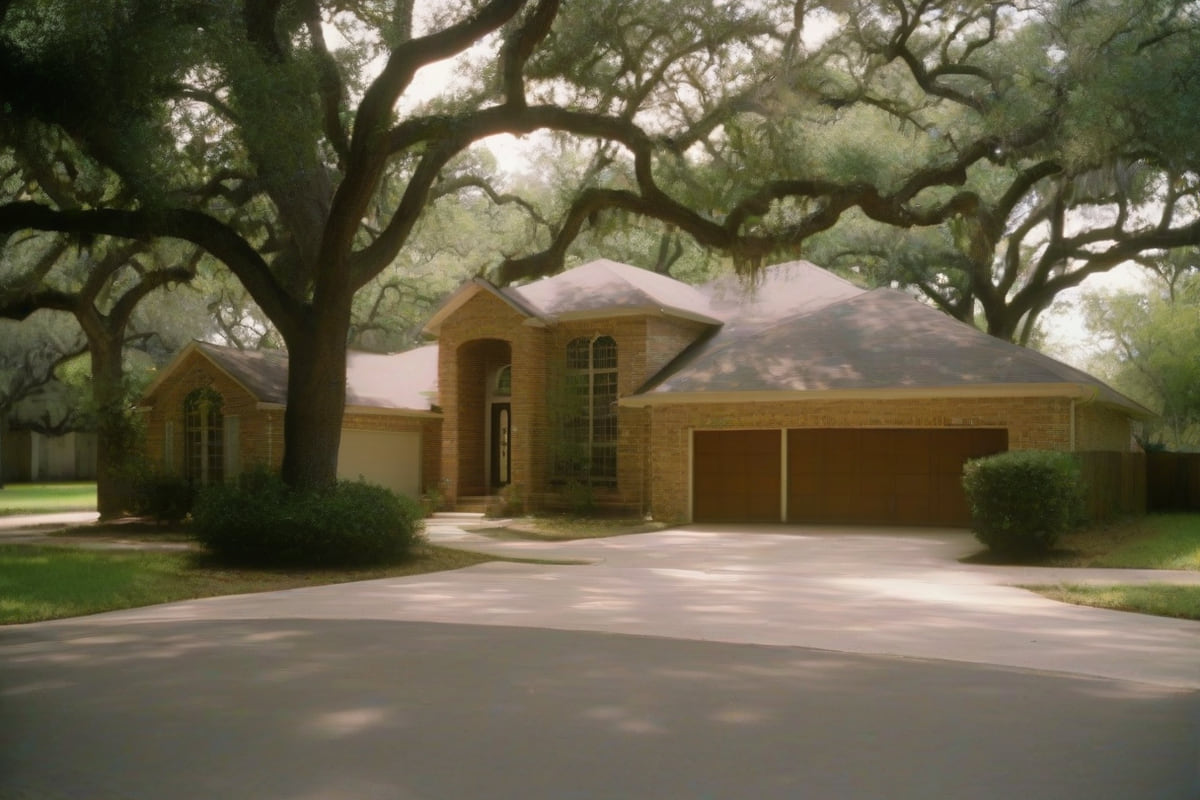
Circle C Ranch homes generally trade between $600,000 and $1 million, in a large master-planned community in southwest Austin built mostly in the 1990s and 2000s.
A large share of Circle C purchases are move-up transactions: a buyer who already owns a home — often a smaller one elsewhere in Austin — buying a larger one here. The hardest part of that move is not the new mortgage. It is the timing: most of the down payment is locked in the house you have not sold yet.
This page covers the tools that let you buy first and sell second, and what each one costs.
Buying or refinancing in Circle C Ranch? We shop your file across a panel of wholesale lenders.
The problem, stated plainly
You want to make a clean offer on the new home, without a sale contingency that sellers dislike. But your down payment is equity in your current house, and your income may not qualify for both mortgages at once.
There are four ways to solve that, and they can be combined.
Tool one: open a home equity line before you list
A home equity line of credit on your current home can fund the down payment on the next one.
Open it before the house is listed. Lenders generally will not open a line on a home that is already on the market.
Texas rules apply. On a homestead, total borrowing is capped at 80% of the home's value, closings take longer than a standard loan because of required waiting periods, and each advance has a minimum amount.
The line's payment counts toward qualifying for the new mortgage, alongside the existing mortgage payment, until the old home sells and both are paid off.
Tool two: a bridge loan
A bridge loan is short-term financing drawn against the equity in your current home, designed to be repaid when it sells.
Texas makes these less common than elsewhere. The state's homestead protections strictly limit the liens that can be placed on the home you live in, so Texas bridge financing is often structured differently — for example, secured by the new property, or offered through buy-before-you-sell programs that advance your equity. Availability varies more than for any other tool on this page.
It costs more than a home equity line, with higher rates and fees, and terms are short, typically months rather than years. If the old home does not sell in time, you need a plan to extend or refinance.
Tool three: qualify for both payments, or rent the old home
If your income supports both mortgages, you can simply buy and sell in sequence.
If it does not, lenders have specific rules for your departing residence:
Under contract to sell. If the current home is under a firm contract before you close on the new one, the lender may exclude its payment.
Converted to a rental. If you plan to rent it out, a signed lease and evidence of the deposit can let part of the rent offset the old payment. The documentation requirements are specific, so confirm them before you rely on it.
Tool four: recast after the sale
A recast lets you pay a lump sum toward the new mortgage after closing and have the lender recalculate the monthly payment on the lower balance, without refinancing and without changing the rate.
The move-up strategy: buy with a smaller down payment using one of the tools above, sell the old home, then apply the proceeds to the new mortgage and recast.
Not every loan allows it. Many conventional loans do, for a modest fee and a minimum lump sum. Government-backed loans generally do not, and jumbo lenders vary. Confirm recast availability before you choose the loan.

Taxes in Circle C Ranch
Circle C Ranch was annexed into the City of Austin in 1997. A typical address carries the City of Austin, Travis County, Austin ISD, Austin Community College and Central Health rates — generally around 1.8% to 2.1% of assessed value combined.
Your old homestead exemption ends when you sell. File for the new home's exemption in the year you buy it. Until the old home sells, only one of the two can be your homestead.
Verify the parcel with the Travis Central Appraisal District.
Building on Circle C lots
Circle C sits over the Edwards Aquifer's recharge and contributing zones, and the city's watershed rules limit impervious cover — the share of a lot covered by roofs, driveways and patios. Pools, additions and large patios can run into those limits. If you plan to add either after moving in, check the lot's remaining allowance before you buy.
Where people buy
The original sections along La Crosse Avenue and Escarpment Boulevard hold the earliest 1990s homes, many with established trees.
The areas near Circle C Metropolitan Park back onto open space and the Veloway.
The later sections toward Slaughter Lane and the western edge carry 2000s construction and some of the larger homes in the community.
Nearby sections south of Slaughter extend the same era of construction with somewhat different association structures, so read each community's documents.
To the northwest, Steiner Ranch offers a master-planned community outside the city limits with a different tax stack.
The community
Circle C Ranch was developed beginning in the mid-1980s on former ranch land southwest of the city, and it grew into one of the largest master-planned communities in Austin. Its 1997 annexation into the city was one of the most contested in Austin's history.
The Lady Bird Johnson Wildflower Center, the University of Texas's botanic garden and research center for native plants, sits on the community's northern edge. Circle C Ranch Metropolitan Park and the Veloway lie to the south along Slaughter Creek, and MoPac connects the community to downtown.
Not sure which fits? Compare every loan program we place.
Frequently asked questions
Can I buy a new home before selling my current one? Yes. Common approaches are a home equity line on your current home opened before listing, a bridge loan, qualifying for both payments, or renting the old home — often followed by a recast after the sale.
What is a bridge loan? Short-term financing drawn against the equity in your current home and repaid when it sells. Texas homestead protections make traditional bridge loans less common here, and they typically cost more than a home equity line.
What is a mortgage recast? A one-time principal payment after which the lender recalculates your monthly payment on the lower balance, without refinancing or changing the rate. Many conventional loans allow it; government-backed loans generally do not.
Can I open a HELOC on a house that is listed for sale? Generally not. Lenders will not open a line on a home that is already on the market, so open it before you list.
Will my current mortgage count against me when I buy? Usually, unless the old home is under a firm sale contract or is being converted to a rental with the required lease documentation.
What are property taxes in Circle C Ranch? A typical City of Austin address in Austin ISD carries a combined rate around 1.8% to 2.1% of assessed value.
Plan the sale and the purchase together
The best Circle C move-up offers are built before the first showing. Send us your current home's value and balance and the price range you are shopping, and we will lay out which tools fit.
Start your application · Run the numbers · Call 737-347-1314
Looking at a property in Circle C Ranch?
Send us the address and we will model the real payment — taxes, insurance and HOA included — before you write an offer.
Nearby Areas
Nearby & Related