Rollingwood Mortgage Broker: Construction and Jumbo Loans
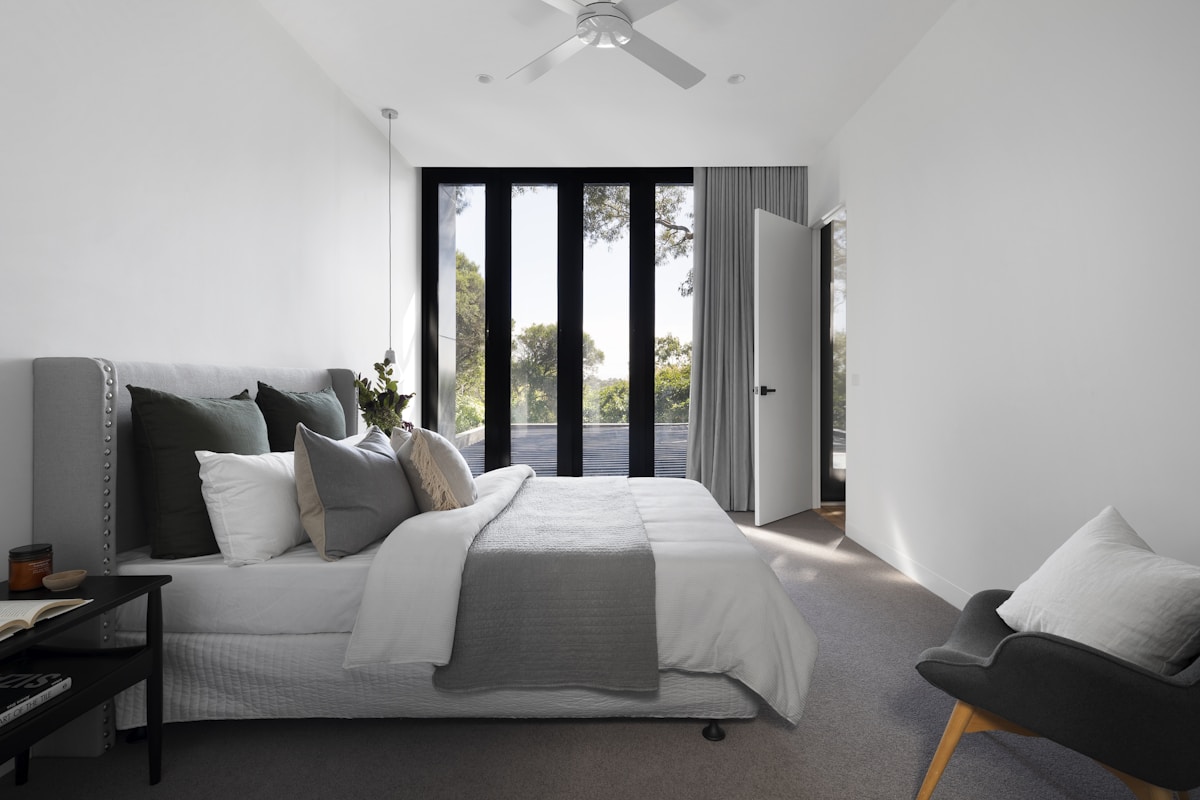
Rollingwood is 1.3 square miles with roughly 1,400 residents, and a large share of what trades here is bought for the lot rather than the house.
The original housing stock is mostly 1950s and 1960s ranch homes on generous lots minutes from downtown Austin. Land value has long since outrun structure value, which means the defining transaction here is a teardown and rebuild — and that is financed completely differently from buying a finished house.
Median sale prices run $880,000 to $940,000, with rebuilds well above. If you are buying to build, this page is about the loan you actually need.
Construction financing, properly explained
Most buyers arrive expecting a mortgage. A rebuild needs a construction loan, and the mechanics are genuinely different.
One-time-close versus two-step
One-time-close (construction-to-permanent) funds the land purchase and the build, then converts to permanent financing when the home is complete — with a single closing and a single set of closing costs. You lock your permanent rate at the outset, which is protection if rates rise during a twelve-month build and a cost if they fall.
Two-step uses a separate construction loan, then a full refinance into permanent financing at completion. Two closings, two sets of costs, and you are exposed to whatever rates are when you finish. More flexibility, more risk.
For most Rollingwood rebuilds, one-time-close is the cleaner structure — the build timelines here are long enough that rate exposure is real.
How the money actually moves
Construction loans do not hand you the full amount. They fund in draws tied to completion milestones — foundation, framing, dry-in, mechanicals, finish-out. An inspector verifies each stage before funds release.
Two consequences people underestimate:
You pay interest only on what has been drawn, which keeps carrying costs low early and rising as the build progresses.
Your builder fronts work between draws. The draw schedule and the builder's payment expectations have to align, and a mismatch creates friction mid-project. Review the draw schedule against the builder's contract before you close, not after.
What underwriting examines
Beyond your own file, the lender underwrites the project and the builder:
- Plans, specifications and a line-item budget — a lump-sum number will not do
- The builder's licensing, insurance, financial standing and track record
- An appraisal based on the completed plans — the appraiser values a house that does not exist yet, from drawings
- A contingency reserve, commonly 5-10% of the budget, for overruns
That appraisal is where Rollingwood projects most often meet resistance. The completed value has to support the loan, and on an unusual design with thin comparable sales, it sometimes does not. Build the appraisal conversation into your planning rather than discovering the gap after you have paid an architect.
Buying the lot
If you are purchasing to demolish, a few specifics:
Lot loans are their own product with different terms — typically larger down payments and shorter amortization than a home loan. If you are buying land now and building later, that is the product you need.
Demolition costs money and time. Permits, utility disconnections, asbestos survey on older structures. Budget it explicitly.
Rollingwood's own regulations govern what you can build — setbacks, impervious cover limits, height restrictions, and tree protection. The city sits within the Barton Creek watershed, and impervious cover is genuinely constrained. A lot that seems to support a large house may not once the ordinances are applied. Verify with the City of Rollingwood before you buy, because this determines what the land is actually worth to you.
If you are buying a finished home
Not everything here is a teardown. For a finished house:
Most purchases exceed the 2026 conforming limit of $832,750, putting them in jumbo territory — six to twelve months of reserves, a practical credit floor near 700 with meaningful tiers at 740 and above, and full documentation including tax returns and K-1s.
Asset depletion and bank statement programs both apply here for borrowers whose tax returns understate their means. More on alternative documentation.
Taxes and Eanes ISD
Combined rates run roughly 1.65% to 1.95% — City of Rollingwood, Travis County, Eanes ISD and the county healthcare district.
Eanes ISD dominates the bill. It is the largest line by a wide margin, and it is the primary reason people pay a premium to be inside these boundaries.
On a $900,000 home at 1.8%, taxes are about $16,200 a year — $1,350 a month before principal and interest.
One point specific to a rebuild: your tax basis resets on completion, not at purchase. Buying a $900,000 teardown and building a $2.2 million home means your assessed value climbs to reflect the new structure at the next appraisal cycle. Model the post-construction tax bill, not the current one — this catches rebuild buyers regularly.
File your homestead exemption the year you occupy; the 10% appraisal cap matters on a bill this size.
The location
Rollingwood's appeal is geographic. It sits immediately west of Zilker Park and Barton Springs, across the river from downtown, with Barton Creek Greenbelt access minutes away. Downtown Austin is roughly 7 to 10 minutes.
The city incorporated in 1955 and has stayed residential — no commercial strip, a small municipal footprint, and a park and pool that function as the community center.
Western Hills Athletic Club and the Rollingwood Little League fields sit at the heart of local life. The Hike and Bike Trail along Lady Bird Lake is a short ride away, and the Barton Creek Greenbelt trailheads off Spyglass and Gus Fruh are among the most used in the city.
West Lake Hills borders it to the west — a separate incorporated city with its own tax rate, largely in the same school district, and worth comparing parcel by parcel.
Not sure which fits? Compare every loan program we place.
Frequently asked questions
Can I finance a teardown in Rollingwood? Yes, generally with a construction loan rather than a conventional mortgage. One-time-close construction-to-permanent financing funds the lot and the build and converts at completion with a single closing.
How does a construction loan pay out? In draws tied to completion milestones, verified by inspection. You pay interest only on drawn funds, so carrying cost rises as the build progresses.
What does the lender need from my builder? Licensing, insurance, financial standing and track record, plus plans, specifications and a line-item budget. The appraisal is based on the completed plans.
What is the conforming loan limit in Travis County? $832,750 in 2026. Most Rollingwood transactions exceed it and require jumbo terms.
What are property taxes in Rollingwood? Combined rates run roughly 1.65% to 1.95%, with Eanes ISD the dominant line. Verify with the Travis Central Appraisal District.
Will my taxes change after I rebuild? Yes, substantially. Your assessed value resets to reflect the new structure at the next appraisal cycle. Budget the post-construction bill rather than the current one.
How much can I actually build on a Rollingwood lot? It depends on setbacks, height limits and impervious cover restrictions, which are meaningfully constrained here because of the Barton Creek watershed. Verify with the City of Rollingwood before purchasing.
Talk to us before you buy the lot
Construction financing has more moving parts than a purchase, and the decisions that matter most — one-time-close versus two-step, the draw schedule, the completed appraisal — are made before you close, not during the build.
Start your application · Run the numbers · Call 737-347-1314
Looking at a property in Rollingwood?
Send us the address and we will model the real payment — taxes, insurance and HOA included — before you write an offer.
Talk To A Loan OfficerNearby & Related